When to Replace Old Dental Crowns in Los Angeles CA
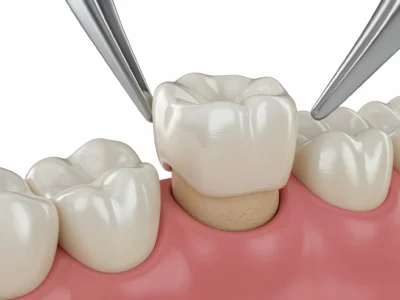
A dental crown is built to last, but it is not built to last forever. I have seen patients keep the same crown for well over a decade with no trouble at all, and I have also seen crowns fail far earlier because of bite stress, decay at the margin, teeth grinding, or simply years of wear that finally catch up with them. The tricky part is that crown failure is not always dramatic. Sometimes nothing hurts. Sometimes the first clue is a bad taste near one tooth, a rough edge you can feel with your tongue, or a floss thread that starts shredding in the same spot every night.
For people searching for answers about Dental Crowns Los Angeles CA, the real question is usually not whether crowns can wear out. They can. The harder question is when replacement becomes the wise move instead of something that can wait. In practice, that decision depends on the crown itself, the tooth underneath it, the way your bite functions, and the goals you have for comfort, appearance, and long term oral health.
Los Angeles patients often bring another layer to the conversation. Many work in public-facing roles, care deeply about esthetics, or have had cosmetic work done over time and want older dental restorations to match newer ones. Others are balancing health concerns with demanding schedules and want to avoid a small crown issue turning into a root canal or extraction at the worst possible moment. Those are practical concerns, not vanity. Timing matters.
Crowns age in more than one way
A crown can look acceptable from a distance and still be nearing the end of its useful life. Most people think of a crown as a cap sitting over a damaged tooth, and that is true, but the weak point is rarely the visible chewing surface alone. More often, trouble starts where the crown meets the natural tooth. That margin is tiny, but it matters enormously. If cement washes out, if plaque lingers there for years, or if the fit changes because of wear and shifting bite forces, bacteria can sneak underneath and start decay in a place you cannot clean or inspect at home.
Materials age differently too. Porcelain fused to metal crowns can show dark lines near the gums or develop small chips in the porcelain. Older all-metal crowns may still function well but become less attractive as gumlines shift. Newer ceramic crowns tend to look better and reflect light more naturally, but they are still vulnerable if the bite is too heavy or the underlying tooth has weakened.
Even a technically sound crown can reach the point where the supporting tooth is telling you it is time to revisit things. Teeth change over the years. Gums recede. Clenching habits worsen. A root canal treated tooth can become more brittle. A crown that was appropriate fifteen years ago may no longer be the right restoration for the present condition of the tooth.
The average lifespan is only a starting point
Patients often ask for a simple number. Ten years? Fifteen? Twenty? A fair answer is that many crowns last somewhere in that broad range, and some last longer. But averages can mislead. A person with excellent home care, routine professional maintenance, and a stable bite may keep a crown for decades. Someone who grinds heavily, skips cleanings, or has dry mouth from medication may see earlier failure.
In Los Angeles, I often meet people with highly variable dental histories. Some had crowns placed years ago in another state or another country. Some do not know what material was used. Others had same-day crowns done and assume that newer automatically means permanent. It does not. What matters is not the calendar date alone, but how the crown is functioning today.
If a crown is twelve years old and stable, with healthy gums and no recurrent decay, replacing it just because of its birthday may not be necessary. If a crown is seven years old and showing leakage, cracking, or decay at the edge, waiting simply because it seems too soon is a mistake. Clinical condition beats age every time.
The signs that an old crown may need replacement
There are a handful of warning signs that deserve attention, especially if they persist or worsen:
- Pain when chewing, especially a sharp pinch on release
- Sensitivity to cold, sweets, or pressure around a crowned tooth
- A visible crack, chip, dark margin, or change in crown fit
- Gum inflammation, bleeding, or a bad odor localized to one area
- Floss shredding or getting caught repeatedly at the crown edge
Not every symptom means automatic replacement. A chip can sometimes be polished. Minor gum irritation may come from hygiene issues rather than a failing crown. But when these signs show up together, or when one keeps returning after temporary fixes, the crown deserves a close evaluation.
One small example comes up often. A patient says, “It doesn’t really hurt, but food keeps packing around that one tooth.” That complaint sounds minor, yet it can point to an open contact, a contour problem, or a margin issue that increases the risk of decay and gum problems. Another common story is a person who notices a crown feels “high” only when stressed or after waking up. That can be a clue to nighttime clenching, which may not require immediate crown replacement, but it does mean the crown and the tooth are under strain.
What dentists look for during an evaluation
From the chairside perspective, replacing an old crown is rarely based on one single feature. It is usually a judgment call built from several findings. The visible crown matters, of course, but so do the X-rays, the bite pattern, the condition of the surrounding gum tissue, and the tooth’s history.
A crown with a perfect-looking top surface may hide decay underneath. A crown that appears slightly worn may actually be protecting a tooth just fine. Dentists test for looseness, examine the margins carefully, check for recurrent decay, look at the bone and root on X-rays, and ask about symptoms that may not be obvious during a short exam.
Bite forces are often underestimated. Los Angeles patients who live with stress, long commutes, inconsistent sleep, or intense fitness routines sometimes clench more than they realize. You can often spot the pattern in flattened chewing surfaces, tiny craze lines in enamel, tension in the jaw muscles, or repeated fractures in restorations. In those cases, replacing the crown without addressing the grinding habit sets up the same problem to happen again.
Decay under a crown changes the timeline
If there is active decay beneath the edge of a crown, replacement usually moves from optional to necessary. There is no practical way to clean out hidden decay and preserve a compromised crown in place. The crown has to come off, the tooth has to be reassessed, and then the next step depends on how much healthy structure remains.
This is one reason routine checkups matter, even when nothing hurts. Decay under a crown can progress quietly. By the time the crown feels loose or the tooth becomes painful, the treatment may be more involved. A relatively straightforward crown replacement can turn into a core build-up, root canal treatment, gum management, or in severe cases, extraction and implant planning.
That does not mean every old crown is a ticking time bomb. It means delayed diagnosis tends to narrow your options. Earlier intervention usually preserves more tooth.
Cracks, fractures, and the gray area between watch and replace
Not every crack demands urgent treatment, but cracks around crowned teeth deserve respect. A small chip in porcelain is different from a structural fracture. The difficulty is that symptoms do not always line up neatly with the severity of the problem. A tooth can have a significant issue and only occasional discomfort. Another tooth can be surprisingly sensitive while the crown itself is still serviceable.
When a patient bites down and then feels pain on release, that raises concern for a crack in the underlying tooth or a compromised restoration. If the crown has repeated chips, especially in someone who clenches, the material may no longer be suitable for that area of the mouth or that specific bite pattern. In those cases, replacement is not just about fixing what broke. It is about redesigning the restoration so it has a better chance of lasting.
There is also a cosmetic gray zone. Some older crowns remain mechanically functional but have dark margins, mismatched color, or bulky contours that do not blend with neighboring teeth. Whether to replace those depends on the patient’s priorities. If the gums are healthy and the tooth is stable, there may be no medical urgency. But if the appearance bothers you every time you smile, that is still a valid reason to discuss replacement.
Gum recession can make an old crown suddenly look old
A crown that matched beautifully when it was placed may look noticeably different years later. Gum tissue changes with age, brushing habits, inflammation, and genetics. As the gumline recedes, the margin of an older crown can become visible. This is especially common with porcelain fused to metal crowns, where a dark edge or opaque look near the gumline can become more obvious over time.
Patients are sometimes surprised to hear that the crown itself may not have “gone bad” in the usual sense. It may still be sealed and functioning. But esthetically, it no longer works in the smile. In a city like Los Angeles, where appearance can affect confidence at work and socially, that matters more than some outsiders assume.
That said, replacing a crown for esthetic reasons should be done carefully. The supporting tooth needs enough structure. The gum tissue should be healthy. The color of neighboring teeth should be stable, especially if whitening is planned. Done thoughtfully, replacing an aging visible crown can dramatically improve the harmony of the smile. Done too quickly, it can create a shade mismatch or irritate already delicate gum tissue.
When replacing the crown is better than repairing it
Some small defects can be repaired, but repairs have limits. Bonding material can smooth a minor chip. A bite adjustment can relieve pressure. Recementing may help in select cases if the crown and tooth are otherwise in good shape. The question is whether you are solving the real problem or buying short-term time.
A practical way to think about it is this: if the issue is superficial and the crown still fits well, repair may be reasonable. If the issue involves fit, hidden decay, a weakened tooth, repeated breakage, or margin failure, replacement is usually the more durable answer.
I have seen patients spend years patching the same crown because they are trying to avoid the cost or inconvenience of simpledentalca.com Dental Crowns Los Angeles CA replacing it. Sometimes that strategy works for a while. Often it ends up costing more, both financially and biologically, because the underlying tooth deteriorates during the delays. Dentistry rewards early, decisive maintenance more often than heroic rescue.
The Los Angeles factor, lifestyle and timing
Replacing old dental crowns in Los Angeles CA is not only a clinical decision. It is often a scheduling decision as well. Patients here are busy. They travel for work, work irregular hours, or need treatment to fit around filming, meetings, or family logistics. The temptation is to postpone until the crown “really becomes a problem.” The problem with that mindset is simple: teeth do not plan emergencies around your calendar.
A crown that is beginning to loosen before a long trip, a visible front tooth crown that fractures before an event, or a back molar that flares up during a demanding work stretch can create exactly the kind of interruption people were trying to avoid. Replacing a questionable crown on your terms is almost always easier than dealing with one after it fails.
Los Angeles patients also ask thoughtful questions about materials. That is a good thing. In highly visible areas, all-ceramic options often provide the most natural look. In heavy bite zones, the best material depends on space, bite force, and esthetic needs. There is no one perfect crown for every person. The right choice balances appearance, durability, and the condition of the tooth underneath.
How the replacement process usually unfolds
When a crown truly needs replacement, the sequence is usually straightforward, though the details depend on the tooth:
- The old crown is removed, and the tooth is checked for decay, cracks, or loss of structure
- Any necessary rebuild-up or root canal related work is completed before the new crown is finalized
- The tooth is reshaped as needed, and records are taken for the new restoration
- A temporary crown protects the tooth while the final crown is made, unless same-day fabrication is appropriate
- The final crown is fitted, adjusted, and cemented after bite and esthetics are confirmed
That tidy version is the ideal path. Real life sometimes adds complexity. Once the old crown comes off, the underlying tooth may be in better shape than expected, or worse. Patients appreciate honesty here. A dentist cannot responsibly promise the exact next step before seeing what is underneath, especially with older crowns. That is not a red flag. It is sound clinical judgment.
Temporary crowns are more important than many people realize
When the treatment involves a lab-made crown rather than a same-day restoration, the temporary crown does more than fill space. It protects the prepared tooth, helps maintain gum shape, and gives early feedback on comfort and bite. If the temporary feels wrong, too bulky, too tight, too short, that information can help guide the final result.
Patients sometimes treat temporaries casually because they know they are not permanent. That can lead to sticky foods, cracked temporaries, or delayed follow-up. It is worth taking the temporary phase seriously. A smooth final delivery often starts with a stable temporary period.
Questions worth asking before you replace an old crown
A well-informed patient usually gets a better long-term result. If your dentist recommends replacing a crown, ask what specifically has changed. Is the concern decay, fracture, looseness, bite wear, esthetics, or gum health? Ask whether the tooth is likely to need additional support beyond a new crown. Ask how your bite habits may affect lifespan. Ask what material is best for that specific location in your mouth, not what is fashionable in general.
For anyone comparing options for Dental Crowns Los Angeles CA, it also makes sense to ask about timing, temporary restorations, and whether digital scanning or same-day technology is appropriate for your case. Newer workflows can be excellent, but they are tools, not guarantees. The quality of diagnosis and preparation still matters more than the marketing language around the process.
Can you keep an old crown a little longer?
Sometimes yes. There are cases where a crown shows age but remains stable enough to monitor. If X-rays look good, the margins are intact, the tooth is asymptomatic, and the gums are healthy, observation can be entirely appropriate. In those situations, monitoring should be active rather than vague. That means periodic exams, updated imaging when needed, and attention to any small changes in symptoms.
What usually does not age well is denial. If a crown already has recurrent decay, repeated loosening, a crack concern, or a clear margin defect, “watching it” is often just a softer phrase for postponing treatment until it becomes harder.
There is no prize for getting one more year out of a failing crown if that extra year costs you a more invasive procedure later.
The goal is not just a new crown, it is a restorable future
The best crown replacements do not simply swap old for new. They restore function, improve cleanability, respect the gum tissue, and fit the way that patient actually bites and lives. That means some crowns need replacement because they are visibly broken, while others need replacement because they are silently compromising the tooth.
If you have an older crown and something feels off, even subtly, it is worth having it evaluated before you are forced into a rushed decision. Pain is only one signal. Changes in fit, appearance, flossing, chewing, or gum response matter too.
For many patients in Los Angeles, the smartest time to replace a crown is not when it finally fails. It is when the evidence shows it is no longer protecting the tooth the way it should. That distinction can be the difference between a planned maintenance visit and a much larger restorative problem.
Simple Dental Vermont
Address: 8914 S Vermont Ave, Los Angeles, CA 90044
Phone number: +13239493000
FAQ About Dental Crowns Los Angeles CA
How much do crowns cost per tooth?
In the United States, a single dental crown typically costs between $800 and $2,500 per tooth without insurance. The ultimate out-of-pocket price depends heavily on the crown material, the location of the tooth, and whether you have dental insurance coverage.
What is the downside of crowns on teeth?
The primary downside of a dental crown is that the procedure permanently removes natural tooth enamel to shape the tooth for the cap.
Why do dentists push for crowns?
Dentists recommend crowns because a large filling cannot provide enough strength when a tooth loses a major portion of its structure or faces heavy chewing pressure.