Dental Crowns in Los Angeles CA: A Practical Guide for Patients
A dental crown sounds simple when you first hear the term. Many patients picture a cap that slips over a tooth and fixes the problem in one visit. The reality is a little more nuanced, especially in a city like Los Angeles, where patients often have high cosmetic expectations, busy schedules, and a wide range of treatment options. A crown can be one of the most useful restorations in dentistry, but it is not the right answer for every tooth, every bite, or every budget.
If you are researching Dental Crowns Los Angeles CA, you are probably trying to answer a few very practical questions. Do I really need one? How long will it last? Will it match my other teeth? Is it painful? How much time should I set aside? Those are the right questions to ask, and the best answers usually come from understanding not just what a crown is, but why your dentist is recommending it in the first place.
What a crown actually does
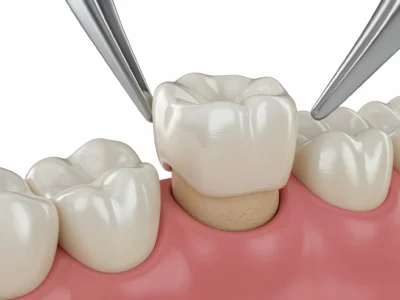
A crown is a custom-made restoration that covers the visible part of a tooth above the gumline. Its job is to restore strength, function, and shape when a tooth has been weakened or heavily damaged. That damage might come from a large cavity, a fracture, an old filling that has broken down, severe wear from grinding, or root canal treatment that left the tooth more brittle than before.
A healthy tooth is strongest when most of its natural structure is intact. Once enough structure is lost, a regular filling may no longer be reliable. Fillings work well for small to moderate defects because they bond to the tooth and preserve more enamel. But if the remaining walls of the tooth are thin, undermined, or cracked, a filling can act more like a patch than a long-term repair. In those cases, a crown can hold the tooth together and reduce the chance of a catastrophic fracture.
Patients often ask whether a crown strengthens a tooth or simply covers it. The honest answer is both. It does not restore a tooth to its original natural state, but it can redistribute biting forces and protect vulnerable areas well enough to extend the life of the tooth, sometimes for many years.
Why crowns are so common in Los Angeles practices
Los Angeles dentists treat a broad mix of needs. Some patients come in because they bit down on a hard olive pit and cracked a molar. Others are actors, attorneys, sales professionals, or public-facing business owners who notice every detail in their smile. Some have postponed dental work because of demanding schedules and now need more extensive treatment than they would have if the problem had been caught earlier.
That combination makes crowns especially common. They serve both function and appearance. A back molar may need a crown because it absorbs heavy chewing forces. A front tooth may need one because it is fractured, discolored beyond what whitening can fix, or has an older restoration that no longer looks natural under bright light and high-definition cameras.
Los Angeles also has a lot of patients who grind their teeth, often without realizing it. Stress, poor sleep, and bite imbalances all play a role. A tooth that looks merely worn to the patient may show flattened cusps, fine cracks, and failing fillings to the dentist. Crowns are sometimes part of the larger answer in those cases, though not the only answer.
Situations where a crown may be recommended
The recommendation should always be tied to a specific diagnosis, not just a general preference. A crown may make sense when a tooth has a large old filling with recurrent decay around it, when a cusp has fractured off, when a root canal has been completed on a back tooth, or when a cracked tooth is causing pain on biting. Crowns are also used on dental implants and as anchor restorations in certain bridge cases.
There are edge cases worth understanding. A tooth can look ugly and still not need a crown. If the issue is small chips, mild discoloration, or slight shape irregularities, bonding or veneers may be more conservative options. On the other hand, a tooth can look fairly normal and still need protection if a crack runs through a cusp or a large filling has left very little natural structure behind.
A good dentist should be able to show you why the crown is being suggested. That may involve X-rays, photographs, a mirror, or simply pointing out the tooth structure that has already been lost. If the explanation is vague, ask for a more concrete reason.
Not every crown is the same
One source of confusion for patients is that the word crown describes the overall restoration, not a single material. Several materials can be used, and the best choice depends on the tooth, your bite, your appearance goals, and how much room there is between the upper and lower teeth.
Porcelain or ceramic crowns are popular because they can look very natural. On front teeth, that matters a great deal. Light reflects differently off natural enamel than it does off many older dental materials, and a well-made ceramic crown can blend surprisingly well. Zirconia crowns are also common, especially on back teeth, because they are strong and can work in areas with heavy chewing pressure. Porcelain-fused-to-metal crowns still have a place in some cases, though they are less popular than they once were because modern all-ceramic options often provide better aesthetics.
No material is perfect. Stronger materials can sometimes look a little more opaque. More translucent materials can look beautiful but may not be ideal for every heavy-bite situation. This is where experience matters. A crown on a lower second molar has a different set of demands than one on an upper central incisor.
The process, from first visit to final cementation
For a traditional crown, the dentist first removes decay or old restorative material and shapes the tooth so the final crown can fit properly. This part is often called tooth preparation. The amount of reduction depends on the material being used and the condition of the tooth. If a large portion of the tooth is already missing, the dentist may build it up with a core material before preparing it.
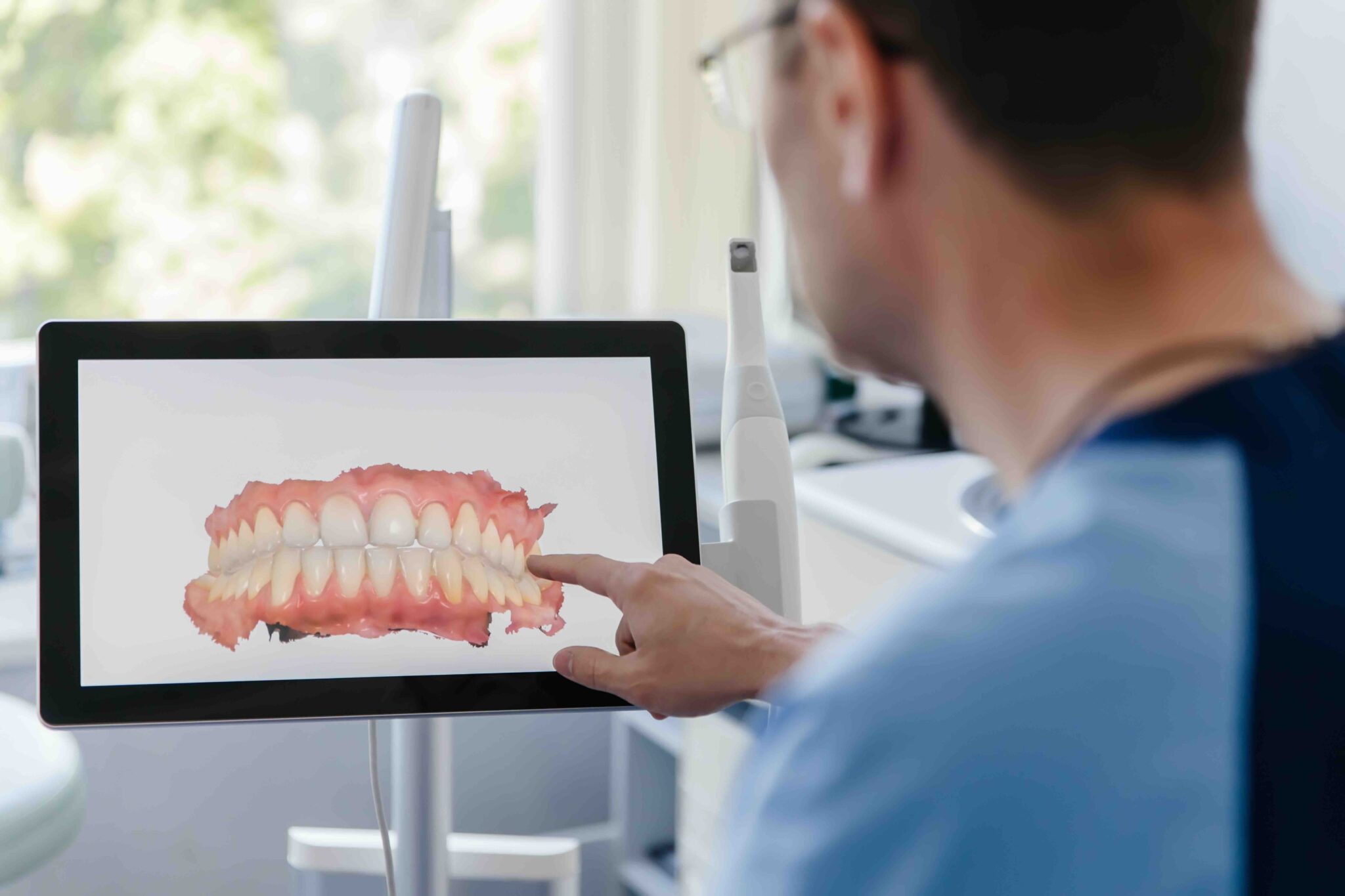
An impression or digital scan is then taken. If the office uses an intraoral scanner, the process may feel easier than conventional impression material, especially for patients with a strong gag reflex. A temporary crown is usually placed while the final one is being fabricated by a lab. That temporary matters more than many people realize. It protects the tooth, helps maintain gum shape, and gives you a preview of how the bite feels.
When the final crown returns, the dentist checks the fit, contact with neighboring teeth, bite, contour, and shade. Small adjustments are common. The goal is not just for it to seat on the tooth, but to function comfortably and clean easily. A crown that is even slightly too high can make chewing feel strange very quickly, and a contact that is too open can trap food and irritate the gum.
Some Los Angeles offices offer same-day crowns with in-house Dental Crowns Los Angeles CA scanning and milling. For the right case, this can be very convenient. It reduces the number of visits and avoids a temporary. But same-day does not automatically mean better. Some cases, especially highly cosmetic front teeth or more complex bite situations, can benefit from a skilled dental laboratory and a more layered fabrication process.
What it feels like during treatment
Most crown procedures are manageable with local anesthetic. Patients often expect pain and are surprised that the appointment feels more tedious than uncomfortable. The more common complaints are jaw fatigue from holding open, sensitivity once the numbness wears off, and occasional soreness around the gum for a day or two.
The temporary phase can be the most annoying part. Temporary crowns are useful, but they are not as strong or as polished as final crowns. Cold sensitivity is not unusual. Sticky foods can dislodge them. Flossing sometimes has to be done by pulling the floss out sideways rather than snapping it back up.
If the tooth already had a crack or a deep cavity near the nerve, you may have symptoms that are harder to predict. Sometimes a crown settles things down beautifully. Sometimes the tooth declares, after preparation, that the nerve is too inflamed and root canal treatment is needed. That is not the most common outcome, but it is a known possibility, and a careful dentist should mention it when the decay or crack is close to the nerve.
How long a crown lasts
Patients love a single number, but dentistry rarely works that way. A crown might last seven years, twelve years, fifteen years, or longer. Lifespan depends on oral hygiene, diet, grinding habits, bite forces, the skill of the preparation, the quality of the lab work, and whether the underlying tooth stays healthy.
Crowns do not decay, but teeth do. One of the most common reasons a crown fails is not that the crown material breaks, but that decay forms at the margin where crown and tooth meet. Another common issue is fracture of the underlying tooth. That is why a beautifully made crown can still fail early if the patient clenches heavily at night and never wears the night guard that was recommended.
In practice, well-made crowns on patients with decent home care and routine maintenance can serve for many years. Poor fit, unstable bite, or neglected hygiene tends to shorten that timeline.
Cosmetic expectations matter, especially for front teeth
This is where patients in Los Angeles often have sharper instincts than they give themselves credit for. They notice when a front crown looks too flat, too bright, too gray, or too bulky. They notice if the gumline around it Dental Crowns Los Angeles CA sits slightly unevenly. They notice if the neighboring tooth has natural translucency and the crown does not.
Shade matching is part science and part artistry. Lighting matters. Skin tone matters. The surrounding teeth matter. So does the age of the patient. A twenty-five-year-old with translucent, lively enamel should not receive a front crown that looks like a chalky block. A sixty-year-old with naturally darker, more worn teeth usually needs a different approach.
For visible teeth, it is often worth asking whether custom shading, photographs, or even a lab consultation would improve the result. That is not overkill. It is often the difference between a crown that merely fills the space and one that disappears into the smile.
Cost in Los Angeles, and why estimates vary
Fees for Dental Crowns Los Angeles CA vary widely. Neighborhood, dentist experience, material choice, whether a specialist is involved, and whether the office uses a premium laboratory all influence the cost. Insurance can help, but coverage often comes with waiting periods, annual maximums, downgraded fee schedules, or replacement clauses if a crown was done too recently.
Patients sometimes compare crown fees the way they compare airline tickets. That usually leads to frustration. A crown is not a commodity. The fee reflects diagnosis, tooth preparation, materials, laboratory quality, time spent refining bite and contacts, and follow-up if adjustments are needed. A low fee is not always a red flag, but it should prompt questions. So should an unusually high fee.
If cost is a concern, it is reasonable to ask what is included. Does the estimate cover the core buildup if needed? What about the temporary crown, digital scan, lab fee, post-op adjustments, or a night guard recommendation if grinding is obvious? Clarity upfront tends to prevent resentment later.
Questions worth asking before you commit
A short, direct conversation can tell you a lot about the treatment plan and the thought behind it.
- Why does this tooth need a crown instead of a filling, onlay, veneer, or extraction?
- What material do you recommend for this specific tooth, and why?
- Is there any sign that I might also need root canal treatment now or later?
- How will this crown affect my bite, appearance, and ability to clean between the teeth?
- What is the total expected fee, including related procedures?
Those questions are not confrontational. They are practical. A good clinician should be able to answer them clearly without sounding defensive.
When a second opinion makes sense
Most crown recommendations are straightforward, but some deserve another set of eyes. If a tooth has only a tiny defect and you are being told it needs a full crown, ask why. If several front teeth are all being recommended for crowns purely for cosmetic reasons, slow down and understand the irreversible nature of the treatment. Once a tooth is prepared for a crown, it will always need a crown or another full-coverage restoration in the future.
A second opinion is especially reasonable when the proposed plan is extensive, expensive, or tied to a makeover discussion rather than a specific structural problem. It is also reasonable if you are getting conflicting explanations, such as one office saying a tooth is fine and another saying it is at risk of splitting in half. Good dentistry welcomes thoughtful confirmation.
Living with a new crown
A properly fitted crown should feel normal fairly quickly. You should be able to chew without a sharp high spot, pass floss through the contact with some resistance, and clean around the gumline without bleeding that persists week after week. Mild awareness is common at first. Ongoing pain, food trapping, or a bite that feels off is not something you should just accept.
Daily care is simple but important.
- Brush along the gumline carefully, because plaque tends to collect where the crown meets the tooth.
- Floss every day, especially if the crowned tooth sits next to a tight contact.
- Avoid using your teeth as tools to tear packaging or crack shells.
- Wear a night guard if your dentist tells you that you grind or clench.
- Return if you notice sensitivity, a change in bite, or bleeding around the crown that does not improve.
One practical note from day-to-day practice: many crown problems start small. A little gum irritation around one margin, a food trap that seems more annoying than serious, a faint click when biting. Those details matter. Small issues are often easier to fix early, before the crown has to be replaced.
Special cases: root canal teeth, implants, and cracked teeth
Crowns are often discussed in shorthand, but the underlying tooth condition changes the strategy. A back tooth that has had root canal treatment may need cuspal coverage sooner because it can become more brittle over time. That does not mean every root canal tooth must immediately receive a crown, but many molars do benefit from one.
Implant crowns are a different category altogether. The crown may look like a tooth, but it is attached to an implant fixture rather than natural tooth structure. That changes the engineering, the way the bite is managed, and the maintenance. You cannot get decay on an implant crown, but you can still develop inflammation in the surrounding tissue if cleaning is poor.
Cracked teeth are where judgment becomes especially important. Not every crack can be saved with a crown. If a crack extends too far below the gumline or into the root, the prognosis may be poor. But many incomplete cracks do respond well to timely crowning. Often, the patient reports a very specific symptom: pain on release when chewing. That is the kind of detail dentists pay attention to.
Finding the right fit in Los Angeles
Choosing a dentist for crowns is not just about finding someone nearby. Convenience matters in a city where traffic can turn a short trip into a half-day commitment, but technical and aesthetic skill matter too. For back teeth, you want a crown that protects the tooth and fits your bite cleanly. For front teeth, you need that plus an eye for shape, color, and symmetry.
Look for a practice that explains findings clearly, shows you what they see, and discusses alternatives with honesty. If every problem seems to have exactly one expensive solution, keep looking. If the dentist talks through trade-offs, mentions what could go wrong, and sets realistic expectations, that is usually a good sign.
The best crown is not necessarily the whitest, strongest, or fastest one. It is the one that fits your tooth, your bite, your goals, and your long-term oral health. For many patients researching Dental Crowns Los Angeles CA, that perspective is what turns a confusing recommendation into a sensible treatment decision.
Simple Dental Vermont
Address: 8914 S Vermont Ave, Los Angeles, CA 90044
Phone number: +13239493000
FAQ About Dental Crowns Los Angeles CA
How much do crowns cost per tooth?
In the United States, a single dental crown typically costs between $800 and $2,500 per tooth without insurance. The ultimate out-of-pocket price depends heavily on the crown material, the location of the tooth, and whether you have dental insurance coverage.
What is the downside of crowns on teeth?
The primary downside of a dental crown is that the procedure permanently removes natural tooth enamel to shape the tooth for the cap.
Why do dentists push for crowns?
Dentists recommend crowns because a large filling cannot provide enough strength when a tooth loses a major portion of its structure or faces heavy chewing pressure.